
20 inch bathroom mirror
Various Types of Control Valves Control valves play a crucial role in various industrial processes by regulating the flow of fluids in a system. These valves can control parameters such as pressure, temperature, and flow rate, ensuring the efficiency and safety of the operation. There are several types of control valves, each designed for specific applications and operational requirements. 1. Globe Valves Globe valves are among the most common types of control valves. They are characterized by their spherical body shape and are excellent for throttling flow. The design allows for a significant degree of control over flow rates, making them ideal for applications where precise regulation is necessary. However, they can cause pressure drops, so their use may be limited in high-flow scenarios. 2. Ball Valves Ball valves are known for their quick operation and low-pressure drop characteristics. They consist of a spherical ball with a hole through the center, allowing for straightforward flow control. While traditional ball valves provide only two positions (open and closed), control ball valves have varied port configurations to allow for flow modulation. They are typically used in applications requiring fast on/off control, such as in the oil and gas industry. 3. Butterfly Valves various types of control valves Butterfly valves feature a rotating disk that can be turned to control flow. These valves are compact and lightweight, making them advantageous in systems with limited space. They allow for quick operation and can be used in large diameter pipes. However, butterfly valves are generally less effective for throttling applications compared to globe or ball valves. 4. Gate Valves Gate valves are designed for fully open or fully closed positions, meaning they are not ideal for flow regulation. However, they are used in applications where flow needs to be interrupted completely. Their design minimizes pressure drop, making them suitable for high-flow systems. 5. Diaphragm Valves Diaphragm valves use a flexible diaphragm to regulate fluid flow. They are particularly useful in applications involving corrosive fluids or slurries, as the diaphragm can provide a sealing mechanism that prevents leakage. Diaphragm valves are known for their ability to handle varying pressure, making them ideal for pharmaceutical and food processing industries. Conclusion Choosing the right type of control valve is essential for the efficient operation of any fluid handling system. Each valve type has its unique advantages and disadvantages, and the selection should be based on the specific requirements of the application, including pressure, temperature, flow rate, and the nature of the fluid involved. Understanding these various types of control valves can help engineers and operators make informed decisions for their industrial processes.
about
20 inch bathroom mirror
How to Use a Spirit Level A Comprehensive Guide A spirit level, also known as a bubble level, is an essential tool for anyone working in construction, woodworking, or DIY projects. Its primary purpose is to determine whether a surface is horizontal (level) or vertical (plumb). Using a spirit level correctly is crucial for ensuring accuracy in your work. This article will guide you through the process of using a spirit level effectively. Understanding the Spirit Level A typical spirit level consists of a straight edge made from materials like aluminum or wood, with one or more vials filled with liquid. Each vial has a bubble that indicates whether the surface is level. When the bubble is centered between the two marked lines in the vial, the surface is level. Spirit levels come in various lengths, ranging from small pocket-sized versions to long construction levels, which are useful for larger projects. Preparing for Use Before you begin, gather your materials and choose the appropriate spirit level based on the project you are working on. A small level may suffice for picture frames or shelves, while a larger level is ideal for larger structures like cabinets or fences. 1. Select the Surface Identify the surface you wish to check. This could be a shelf, a piece of furniture, or a wall. Ensure the area is free of obstructions that could affect your measurements. 2. Clean the Surface If necessary, clean the surface to remove any debris or dust that might interfere with accurate readings. Using the Spirit Level spirit level how to use 1. Position the Level Place the spirit level on the surface you want to check. Ensure that the entire level is in contact with the surface for the most accurate reading. 2. Read the Vial Observe the bubble in the vial. The bubble should be between the two lines. If it is centered, the surface is level. If the bubble is towards one end, the surface is not level. 3. Adjust if Necessary If the surface is not level, make necessary adjustments. For example, if you’re installing a shelf, you may need to add shims under one end to raise it or reposition the bracket. 4. Check in Multiple Directions For comprehensive accuracy, it’s crucial to check the surface in both horizontal and vertical orientations. Rotate the level 90 degrees and place it again to determine if the vertical alignment is correct. Additional Tips for Precise Measurements - Use a Reliable Level Ensure your spirit level is not damaged. Even small imperfections can lead to significant errors in measurement. - Calibrate Your Level Occasionally check the accuracy of your level against a known level surface. To do this, place the spirit level on a flat surface, note where the bubble lies, then flip it end to end. The bubble should be in the same position. If not, your level may need calibration or replacement. - Practicing Patience Take your time while measuring. Rushing can lead to mistakes that might affect the entire project. Conclusion Using a spirit level may seem straightforward, but taking the time to understand how to use it correctly can make a significant difference in the quality of your work. By following the steps outlined in this guide, you will ensure that your surfaces are level and plumb, leading to professional-quality outcomes in your projects. Whether you are hanging a picture frame, installing shelves, or constructing a new piece of furniture, a spirit level is an indispensable tool in your toolkit. Remember, accurate leveling not only improves aesthetics but also enhances the functionality and longevity of your work. Happy leveling!
-

High quality industrial productsagement

High quality industrial products
View Details -

Meet the diverse needs of customers

Meet the diverse needs of customers
View Details -

Strict quality control

Strict quality control
View Details -

Top raw materials

Top raw materials
View Details -

Trusted supplier

Trusted supplier
View Details
Our application


news and information
Versatile 3D Welding Table for Precision Fabrication and Efficient Workflow Solutions
The Advantages of a 3D Welding Table in Modern Fabrication In today’s fast-paced manufacturing envir
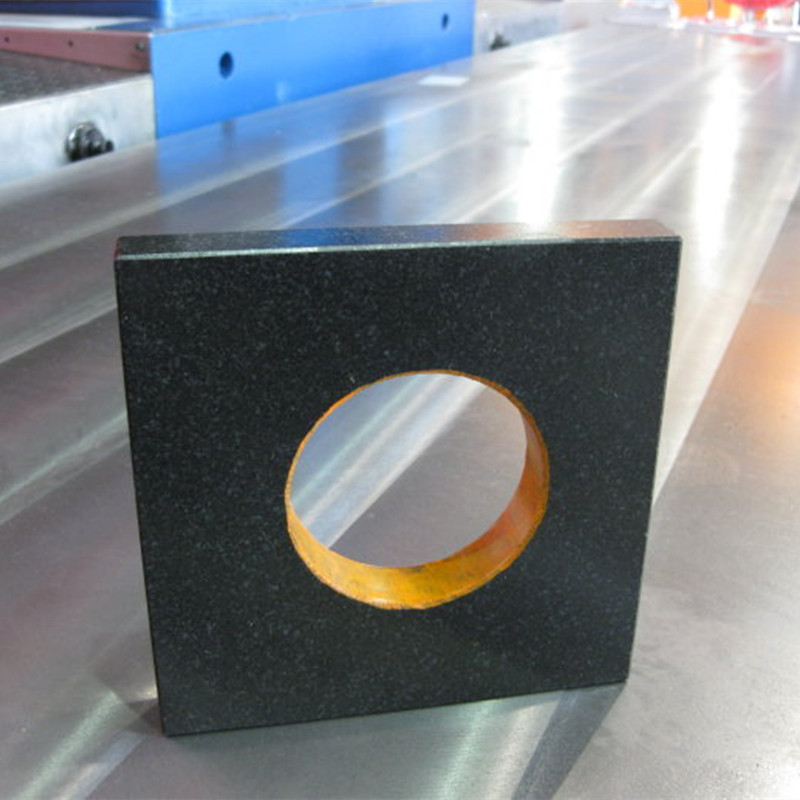
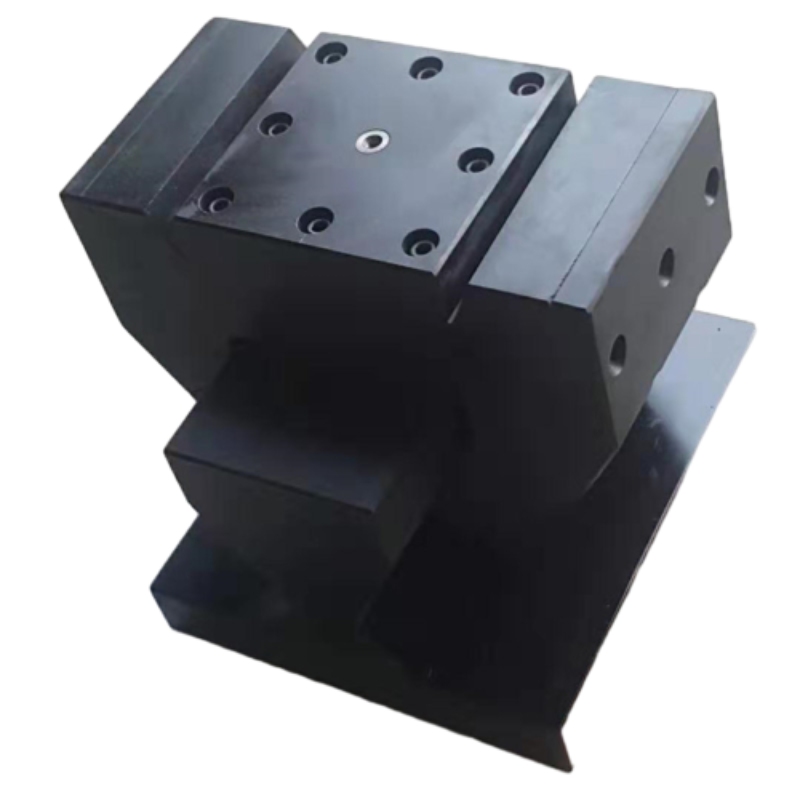
V Block Design - Innovative Modular Solutions for Modern Spaces
Understanding V-Block Design in Modern Engineering V-Block design is a pivotal concept in modern eng
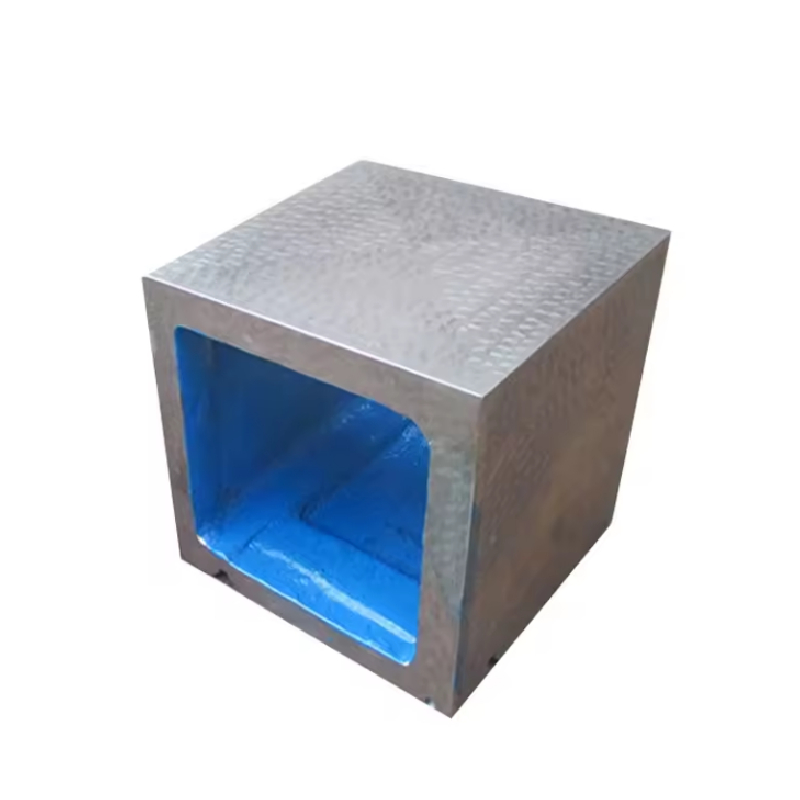
válvula de retenção de água unidirecional
Válvula de Retenção de Água Unidirecional Funcionamento e Aplicações As válvulas de retenção de água
 English